
Exercise Physiology vs Personal Training: What's the Difference and Why It Matters
If you’re recovering from an injury, managing a chronic illness, or simply aiming to improve your health safely, you may need more than a personal trainer. Exercise physiologists (EPs) are trained in clinical exercise therapy tailored to medical conditions and injury recovery.
What is an Accredited Exercise Physiologist (AEP)?
An AEP is a university-trained allied health professional who uses exercise as medicine to help people recover from injuries, manage chronic conditions, and improve overall health. They work with people of all ages and abilities, from post-surgical patients to individuals with diabetes, arthritis, heart disease, and more.
Key Differences Between an Exercise Physiologist and a Personal Trainer
Exercise Physiologist | Personal Trainer | |
Education | 4-5 year university degree | Short vocational course |
Focus | Clinical populations, rehabilitation | General fitness and strength goals |
Settings | Clinics, hospitals, community | Gyms, fitness centres |
Health knowledge | Extensive understanding of pathology and rehabilitation | Basic knowledge of fitness principles |
Why It Matters for Your Health
Exercise physiologists prescribe exercise safely for conditions where standard exercise might be risky. Their programs are designed around:
- Medical history and medications
- Biomechanics and movement assessments
- Risk factors (e.g., cardiovascular or diabetic complications)
Studies show clinical exercise interventions delivered by EPs significantly improve outcomes in people with chronic disease (Pedersen & Saltin, 2015).
When to See an Exercise Physiologist
- Recovering from injury or surgery
- Living with a chronic disease
- Managing weight alongside other health conditions
- Improving heart or lung health
Final Thoughts
If you have a medical condition, injury, or complex health needs, an Accredited Exercise Physiologist will design an evidence-based program that’s safe, tailored, and proven to improve outcomes — far beyond what a generic fitness program can offer.
Reference: Pedersen BK, Saltin B. (2015). Scand J Med Sci Sports.
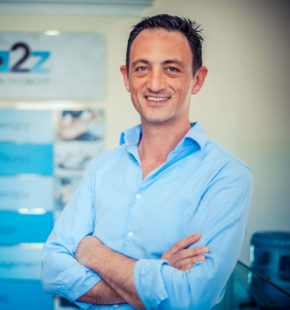
Michael graduated with a Bachelor of Physiotherapy from Melbourne University. Since then, he has had over 21 years of experience as a physiotherapist and is also a qualified D.M.A. Clinical Pilates Practitioner.